Zoned Heating System Not Working? Common Causes and Fixes
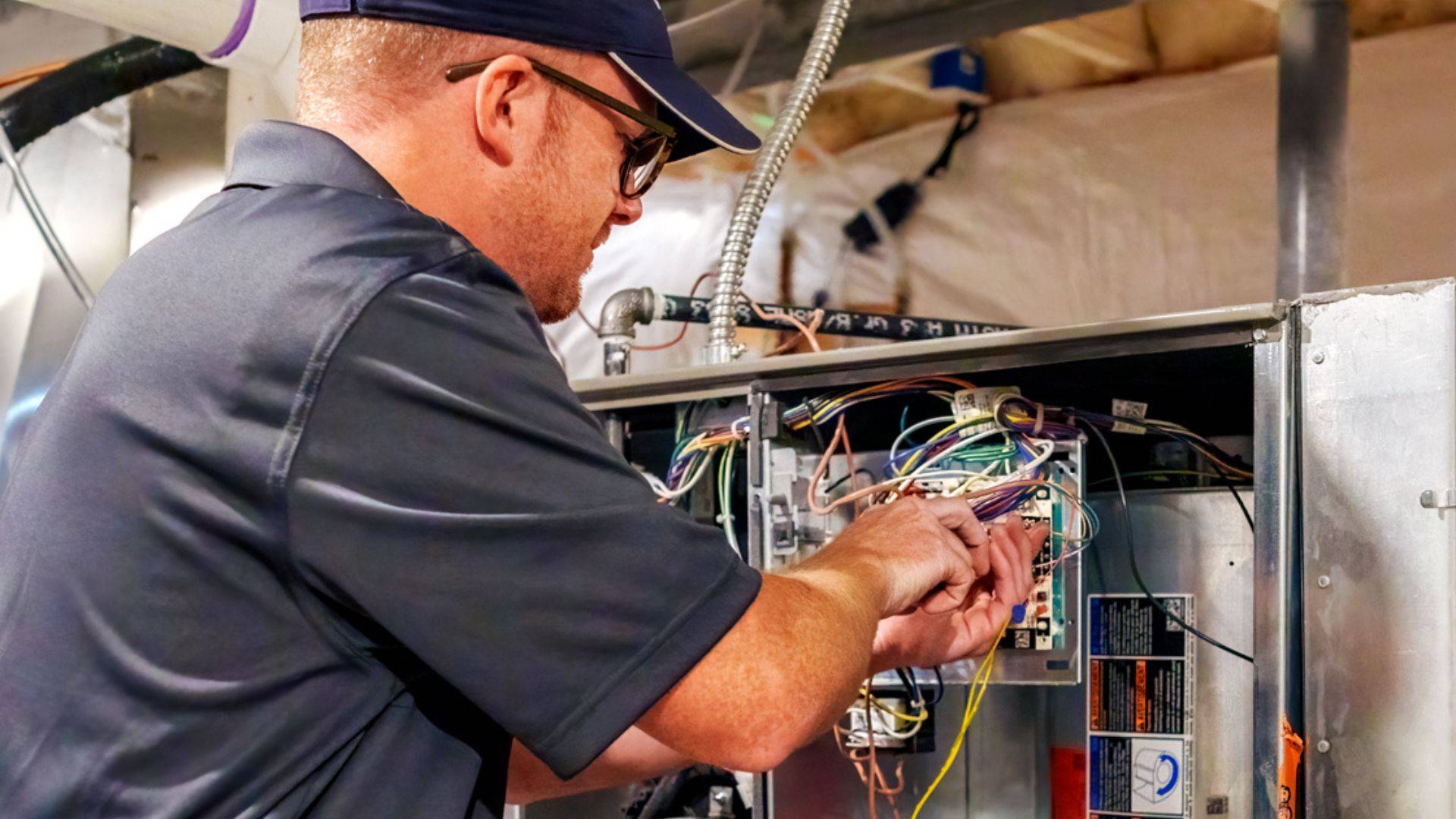
If your zoned heating system is not working, several issues may be responsible. The first step is determining if the issue affects a single zone or your entire system. Then, you can narrow down the cause by reviewing the symptoms.
At Priority One Heating & Air Conditioning, we offer HVAC zoning system troubleshooting, comprehensive diagnostics, and timely repairs. To learn more about what to expect and how to tell what is wrong with your system, read on.
What Is a Zoned Heating System and How Does It Work?
HVAC zoning systems divide your home into different zones. A network of individual thermostats, zone control boards, and dampers determines which zones receive airflow. In a typical ducted HVAC zoning system, individual thermostats send heating requests to a zone control board. The board coordinates the heating equipment and motorized dampers to direct conditioned air toward the zones that need it. Damper positions and operating sequences vary depending on the zoning system’s design and configuration. All of these heating requests are managed by the control board.
Despite each zone having its own setting, the entire system relies on the same central heating equipment. This setup maintains individualized comfort in each zone because of its configuration and airflow.
Why Is My Zoned Heating System Not Working?
A failed component can prevent one or more heating zones from operating correctly. The following are some of the most common reasons why.
- Faulty thermostats
- Malfunctioning damper actuators
- Stuck dampers
- Faulty zone control boards
- Furnace or heat pump issues
- Incorrect zoning system settings
- Loose or damaged control wiring
- Airflow restrictions
- Improper installation or configuration
The most common causes of a zoned heating system malfunction are faulty thermostats, failed actuators, wiring problems, airflow restrictions, and control board failures. If the heating equipment fails, it will cause problems across multiple zones.
Common Signs Your Zoned Heating System Isn’t Working Properly
You may be dealing with heat pump or furnace zoning problems if you notice the following symptoms.
- One zone refuses to warm up.
- Specific rooms are overly hot or cold.
- The heating system runs nonstop.
- Heating runs in one zone but not others.
- Your zone thermostat doesn’t respond to temperature changes.
- The zone dampers don’t open or close properly.
- There is weak or no airflow in one zone.
- The unit short cycles.
- Multiple zones cannot maintain their set temperatures.
- The entire system won’t respond.
Common Causes of Zoned Heating System Problems
From an HVAC zone damper not working to zone damper actuator failure, there are several common causes of zoning system problems.
Faulty Zone Thermostats
If your heating zone thermostat is not working, it may be due to communication issues, faulty sensors, dead batteries, or loose wiring. Alternatively, it may be related to an incorrect thermostat configuration or settings.
HVAC Zone Control Board Problems
The zone control board coordinates thermostat signals, dampers, and heating equipment. It coordinates signals from the thermostats, dampers, and heating equipment. A faulty zone control board may cause certain zones to stop responding, incorrect damper operation, or inconsistent heating requests. However, similar symptoms can result from thermostat problems, damaged wiring, or heating equipment faults. A technician can test the board’s inputs, outputs, and electrical connections to identify the cause.
Because this can occur due to damaged electrical connections or communication failures, it’s essential to get a professional diagnosis.
Zone Dampers Not Opening or Closing
Zone dampers regulate airflow through different sections of the duct system. If a damper becomes stuck, damaged, or obstructed, it may prevent sufficient heated air from reaching a zone or allow airflow when heating is not requested. A technician can inspect the damper assembly and determine whether mechanical repairs or replacement are necessary.
Damper Actuator Failure
A damper actuator moves the damper in response to signals from the zoning controls. If the actuator motor, gears, or electrical connections fail, the damper may not move as commanded. Depending on the actuator’s design and condition, the technician may recommend repairing the connection or replacing the failed actuator.
Thermostat and Zone Control Wiring Problems
Thermostats and zone control boards can fail due to loose, damaged, or disconnected wiring. Intermittent communication issues and incorrect wiring connections can cause similar symptoms. Electrical repairs and troubleshooting can be challenging and potentially unsafe, which is why these tasks should be left to the professionals.
Airflow Restrictions Affecting Heating Zones
Insufficient airflow can occur due to a dirty HVAC air filter, incorrect damper positioning, damaged ductwork, and blocked supply or return vents.
Furnace or Heat Pump Problems
When heating problems affect multiple zones, your central heating equipment may be at fault. For example, furnace ignition, blower motor, or airflow issues may require furnace repair and maintenance, while heat pump operating problems may require professional heat pump repair and maintenance.
One Heating Zone Not Working vs. Multiple Zones Not Working
While a single-zone failure may indicate a localized damper or thermostat issue, problems in multiple zones may involve the central heating equipment or shared controls. To narrow down why your zoned heating system is not working, check out common signs.
| Issue | One Heating Zone Not Working | Multiple Zones Not Working |
| Thermostat Problems | Incorrect settings, dead batteries, or a faulty thermostat in one zone | Incorrect settings or communication issues that affect multiple thermostats |
| Damper Issues | A stuck or faulty damper preventing airflow | Multiple faulty dampers or a shared faulty damper preventing airflow |
| Zone Control Board Malfunctions | A faulty connection or output that only affects one zone | A control board issue that impacts multiple zones |
| Heating Equipment Problems | Less likely if the rest of your zones are heating appropriately | Issues with the furnace or heat pump can affect all zones |
| Ductwork Issues | A disconnected, obstructed, or leaky duct that limits airflow to one area | Ductwork problems that affect shared ductwork or multiple sections of ductwork |
Why Is One Heating Zone Not Working?
If you’re experiencing uneven heating between zones, it may be due to a problem that affects just one zone. For example, the zone may have incorrect thermostat settings, a failed damper actuator, faulty thermostat wiring, a blocked vent, restricted ductwork, or faulty control board output. Because multiple issues can cause one zone to stop working, it’s essential to schedule professional HVAC repairs in Eugene, OR.
Why Are Some Heating Zones Too Hot While Others Stay Cold?
Some zones may remain cold if the zones are incorrectly configured. Poor thermostat placement, faulty temperature sensors, airflow distribution issues, and duct leaks can also cause this issue. If zone dampers remain stuck open or closed, airflow may be directed to the wrong areas. Similarly, poor room insulation or leaks around windows and doors can lead to heat loss. Because of all these reasons, simply adjusting your thermostat may not fix the underlying problem.
Safe Zoned Heating Troubleshooting Steps Homeowners Can Try
As a homeowner, there are a few zoned heating system troubleshooting steps ou can take to help identify the problem. For your safety and to protect your HVAC system, never bypass zone control boards, force motorized dampers open or closed, or attempt to repair thermostat wiring.
- Check the thermostat’s temperature and mode.
- When applicable, verify that the batteries are functioning.
- Note which vents are receiving airflow.
- Listen for unusual noises.
- Clear grilles of any obstructions.
- Change the air filter as needed.
- Pay attention to any error codes.
- Check for tripped breakers. Reset a tripped breaker only once. Do not repeatedly reset tripped breakers.
How Do HVAC Technicians Diagnose and Fix Zoned Heating Problems?
When you schedule a heating repair in Eugene, OR, our team will quickly inspect your system and perform diagnostic tests to identify the underlying cause of your heating issue. Then, we’ll walk you through our honest, no-pressure recommendation.
Thermostat Inspection and Testing
Our team will test the thermostat operation, verify heating requests, inspect the wiring, and check the configuration.
Zone Control Board Diagnostics
The control board’s signals, power supply, and outputs will be tested and checked. Afterward, we can determine whether the board needs repairs or replacement.
Zone Damper and Actuator Inspection
A technician will check your damper operation and actuator response. As needed, we can replace failed components.
Heating Equipment and Airflow Evaluation
We will check the furnace, heat pump, blower, and airflow performance. Then, we will inspect your zoning system configuration.
When to Call an HVAC Professional
You may need to reach out for professional HVAC zoning system repairs in the following circumstances.
- Multiple zones won’t respond.
- One zone won’t warm up.
- The thermostat or control board appears to be malfunctioning.
- Your heating system keeps shutting down.
- The zone dampers aren’t working properly.
- You notice uneven heating.
- The circuit breakers keep tripping.
- There are burning or electrical odors.
- You hear unusual noises.
Zoned Heating System Repair vs. Replacement: What Makes Sense?
Whether to repair or replace zoning components depends on the type of failure, component availability, system compatibility, repair cost, and overall condition. A faulty thermostat, damper actuator, or zone control board may be repaired or replaced without replacing the furnace or heat pump.
If the zoning system is outdated, improperly configured, or incompatible with newer heating equipment, a broader zoning upgrade may be worth considering. A professional evaluation can help determine the most practical option. For example, you may want to perform damper actuator replacements, control board repairs, or ductwork modifications on a new, well-maintained system because the unit likely has years of life left.
It’s also important to note that a zoning problem doesn’t automatically mean you need your furnace or heat pump replaced. Instead, you may just need to upgrade outdated zoning controls or make an airflow modification.
How to Prevent Future Zoned Heating System Problems
Regular maintenance and a few simple homeowner checks can help reduce the risk of future zoned heating system problems.
- Schedule regular HVAC maintenance tune-ups.
- Replace your HVAC air filter as needed.
- Review your thermostat settings each season.
- Address any unusual airflow issues right away.
- Have your zone dampers inspected if problems occur.
- Remove anything that obstructs your supply and return vents.
- Monitor any temperature differences that occur between different zones.
- Have the zoning controls evaluated if you make system modifications.
Why Zoned Heating Problems Shouldn’t Be Ignored
Zoned heating problems should be addressed right away to avoid unnecessary energy waste and strain on your equipment. Left untreated, these issues can lead to uneven indoor temperatures, reduced comfort, unnecessary heating system runtime, and recurring heating shutdowns. Because the added wear can strain your system, getting an early diagnosis can prevent more extensive repairs later on.
Zoned Heating Challenges in Eugene & Springfield Homes
In Eugene, Springfield, and Lane County, homeowners face a few common zoned heating challenges. For example, multi-story homes often have temperature differences between each story. In older Eugene homes and properties with home additions, heating upgrades and modifications may be necessary. Homeowners may also experience temperature variations in rooms with large windows or exterior walls.
For all of these reasons, it’s essential to have a professional zoning evaluation to identify the source of uneven heating. Afterward, a zoning modification, changed ductwork layout, or insulation upgrade can optimize your zoned heating performance.
Why Homeowners in Eugene & Springfield Choose Priority One Heating & Air Conditioning
At Priority One, our team is known for providing trusted heating system troubleshooting and diagnostics. From routine furnace and heat pump inspections to thorough ductwork evaluations, we can help you quickly diagnose the cause of your HVAC issues in Eugene and Springfield. Then we’ll provide clear explanations of the recommended repairs. Afterward, our preventative heating maintenance can lower the likelihood of future breakdowns.
Frequently Asked Questions About Zoned Heating Systems
Why is my zoned heating system not working?
A zoned heating system not working may be due to a faulty thermostat, stuck dampers, loose wiring, damaged ductwork, or a failing control board. Multiple issues can cause zoned heating problems, which is why professional diagnostics are essential.
Why is one heating zone not working?
When one heating zone is not working, it may be due to the thermostat or control board not communicating properly with the zone. If the damper is stuck closed, an actuator has failed, or the wiring is loose, you may also lose heat in one zone.
What causes an HVAC zoning system to fail?
Many issues can result in a failed zoning system. Common causes include mechanical failures involving dampers or actuator motors, as well as damaged or obstructed ductwork. Similarly, faulty thermostats, wiring, and control panels can also result in this issue.
How do I know if my HVAC zone damper is bad?
If the damper is stuck open, the zone will receive heat when it shouldn’t and can become overly warm. Dampers that are stuck closed can lead to too little heat reaching the room. You may also notice clicking or buzzing noises, abnormal airflow, or warning lights on the control board.
Can a faulty thermostat stop one heating zone from working?
Yes, it can. A dead battery, loose wiring, or faulty internal switch can prevent the thermostat from sending a heating request to the zone control board.
What are the signs of a bad zone control board?
You may be dealing with zone control board problems if you notice temperature and airflow discrepancies in different rooms. Similarly, short cycling, flashing LED diagnostic lights, unresponsive HVAC units, burned odors, and nonstop blower fan operation may be due to this issue.
Why is one heating zone cold while another is warm?
If a damper is stuck closed or the actuator motor has failed, one heating zone may remain cold. This may also occur due to closed vents, leaky ducts, or clogged air filters.
Can a dirty air filter affect a zoned heating system?
Absolutely. If the filter becomes excessively dirty, it can restrict airflow. In a furnace, severe restrictions may cause overheating and trigger the high-temperature limit switch. Additionally, dirty filters can cause added strain on the blower motor and short cycling.
Can a zoning problem cause my furnace to shut down?
Yes. Any issue that results in the furnace overheating can trip the limit switch and cause it to shut down. If wiring or power issues prevent the zone control board from receiving or relaying a thermostat’s call for heat, the furnace may fail to turn on.
How much does it cost to repair an HVAC zoning system?
HVAC zoning repair costs depend on the failed component, diagnostic work, system accessibility, and labor required. Thermostat adjustments or minor wiring repairs may be simpler than replacing damper assemblies, zone control boards, or ductwork. A professional inspection can help identify the problem and provide an accurate repair estimate.
Schedule a Zoned Heating System Inspection and Repair Today
Homes in Eugene and Springfield may experience uneven heating due to differences in floor levels, insulation, room layouts, or ductwork configuration. Multi-story homes, older properties, and home additions can develop temperature inconsistencies that affect comfort.
If some rooms remain cold while others overheat, a professional inspection can help identify issues with thermostat placement, zone dampers, ductwork, or heating equipment. If your zoned heating system isn’t working properly, contact Priority One Heating & Air Conditioning to schedule an inspection and restore more consistent heating throughout your home.
Service Request
Contact
"*" indicates required fields