Why Is My AC So Loud? Common Noises and What They Mean
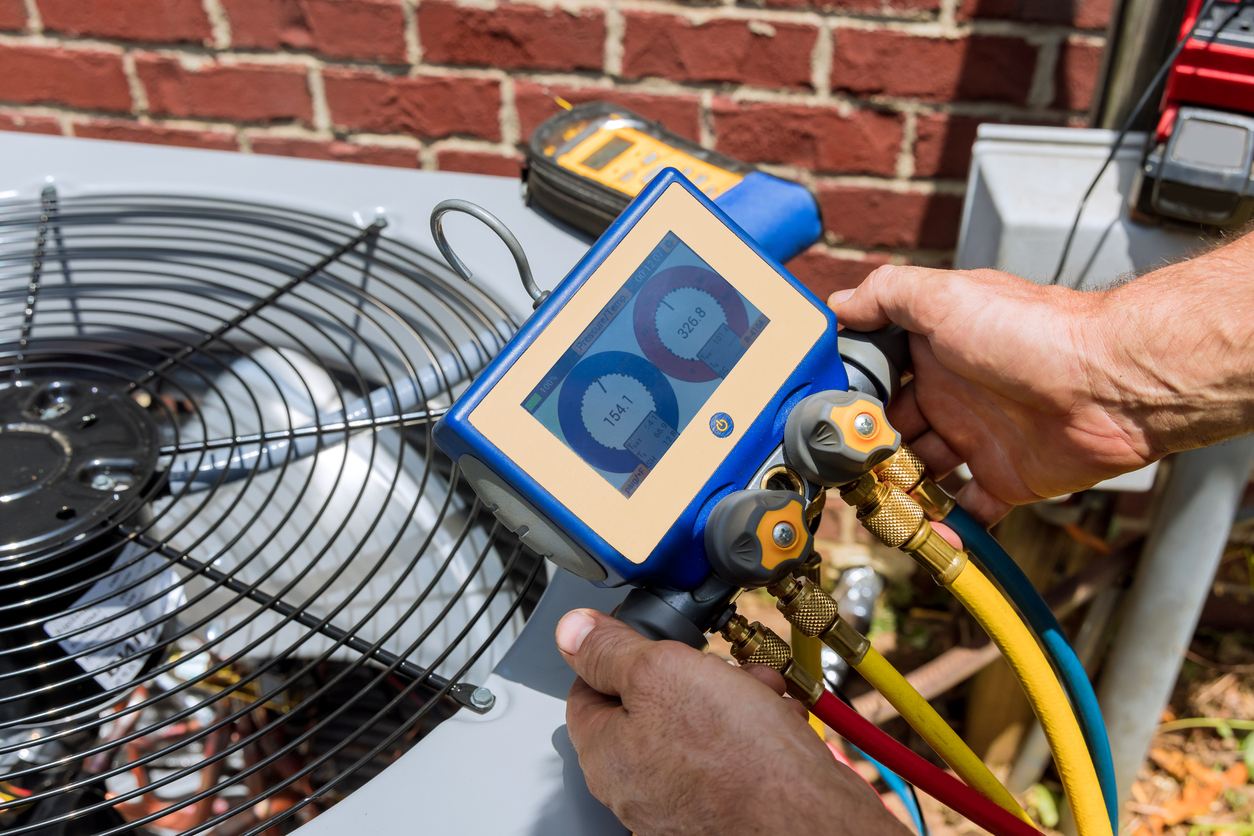
A sudden clanking or grinding noise in the middle of a hot summer night can inspire panic. While some AC noises can be fixed with basic maintenance, others indicate a major underlying problem. From air handler control board troubleshooting to diagnosing worn bearings, Priority One Heating & Air Conditioning can help you solve complex AC noises.
So, why is my AC so loud? To understand common causes and solutions to AC noises, read on.
Why Air Conditioners Become Loud Over Time
As heating, ventilation, and air conditioning (HVAC) systems age, components are more likely to break down. Because of this, common air conditioner problems are more likely to occur.
Normal AC Sounds vs. Unusual Noises
A well-maintained AC should make a soft hum while it’s running. You may also notice a quiet whoosh of air. If these noises become much louder or new sounds develop, there is likely a problem with your system.
Why Unusual Noises Should Never Be Ignored
Most ACs don’t break down without some type of prior warning. Noises are an early warning that a mechanical problem is beginning.
How Small Problems Become Expensive Repairs
If minor noises aren’t addressed promptly, they can escalate into major system damage and more costly repairs.
Common AC Noises and What They Mean
By getting common air conditioner noises explained, you can learn more about the potential cause of your HVAC issues.
Banging or Clanking Sounds
A clanking or banging noise from an AC is often due to issues with the compressor, loose fan components, or the blower assembly. These sounds can also occur when there are broken or loose components that need to be replaced or tightened. None of these problems will go away on their own, so they should be immediately inspected by an experienced technician.
Buzzing Noise From the AC Unit
Buzzing sounds frequently stem from electrical problems and faulty capacitors. Dirty condenser coils and loose parts can also lead to this issue.
As a homeowner, you can troubleshoot by checking for debris in the condenser coils and replacing the filter. For noisy air conditioner causes, you’ll need to reach out for a professional AC repair in Eugene, OR.
Squealing or Screeching Noises
Squealing or screeching may point to high refrigerant pressure, worn motor bearings, belt issues in older systems, or compressor trouble. Because of the major risk of motor failure involved, you should immediately shut off your unit if you notice these noises and call for AC services.
Clicking Sounds
A single click is normal during startup and shutdown. Constant clicking sounds may happen if you have problems with your control board, electrical relay, or thermostat.
As part of your air handler control board troubleshooting, you can check for error codes. Note any loose wires or burned spots so that you can tell your HVAC technician when they arrive.
Hissing or Whistling Sounds
Often, these noises occur if airflow is restricted. A refrigerant or duct leak can cause the same sounds. Besides impacting your energy efficiency, all of these problems can lead to added wear on your HVAC system. Because of this, it’s important to get them addressed promptly.
Rattling Noises
Rattling noises can happen if there is debris in the outdoor unit, failing components, or loose panels. You can tighten screws that are accessible and clean away debris if it is safe to do so.
Humming Sounds
While light humming is normal, loud humming may be due to loose wiring, electrical problems, or a malfunctioning compressor. If the compressor is the issue, you may notice vibration, frequently tripped breakers, or startup difficulties.
Grinding Noises
Grinding sounds are an immediate cause for concern. They are normally related to worn motor bearings, damaged compressors, malfunctioning blower motors, or faulty fan motors. To avoid a complete HVAC failure, it’s important to get this issue diagnosed right away.
What Causes AC Systems to Become Loud?
If you’ve been looking for the answer to, “Why is my AC so loud?”, the following reasons are the most frequent sources of unusual AC noises.
Lack of Regular Maintenance
Neglected HVAC systems can become dirty, leading to extra wear. Additionally, poor maintenance means minor issues can escalate into more expensive problems.
Dirty Air Filters
When air filters are dirty, they limit airflow and strain the AC. As a result, the unit operates more noisily.
Loose Components From Vibration
Components can become loose over time as part of the normal wear-and-tear process. This can make the AC operate more loudly.
Compressor Problems
When the compressor has performance issues, it can cause loud grinding, banging, and screeching sounds.
Aging HVAC Systems
An aging AC is more likely to have worn, loose, or faulty components, which is why it may be louder.
Airflow Restrictions
Blocked vents can restrict airflow. Meanwhile, leaky ducts can create whistling, pressure imbalances, and decreased system performance.
Troubleshooting Steps Homeowners Can Try
As a homeowner, you can try the following air conditioner troubleshooting on your own before reaching out for professional help.
Check and Replace the Air Filter
Dirty filters can restrict airflow. Ideally, the filter should be replaced every 30 to 90 days.
Clear Debris Around the Outdoor Unit
To improve efficiency and optimize airflow, clear away any debris that is within 2 to 3 feet of your outdoor unit.
Inspect Air Vents and Registers
Make sure your home’s vents and registers are open and not blocked by furniture.
Tighten Loose Accessible Panels
You can tighten accessible panels if they are loose, but you should never open the panels yourself.
Reset the Thermostat
If the thermostat is the problem, you can use your manufacturer’s guide to reset it.
Listen Carefully To Identify Noise Location
The type of problem will depend on where the noise is coming from. For example, a loud outdoor AC unit may mean there is an issue with your compressor or capacitor.
Important Safety Warning
For your safety, it’s important to never open electrical compartments or handle refrigerant components on your own.
When To Call an HVAC Professional
While you can troubleshoot minor problems, major issues should be left to the experts.
Loud Banging or Grinding Sounds
This is often due to worn-out bearings or debris. It can also occur if your compressor is failing. To avoid complete AC failure, it’s essential to turn off your AC and call for help.
Burning Smells or Electrical Odors
A burning odor may mean that electrical components are overheating, which creates a fire hazard.
AC Is Noisy and Not Cooling Properly
These symptoms can stem from low refrigerant or compressor issues. Both of these issues can involve expensive repairs if they aren’t caught and repaired early.
Repeated Clicking or Buzzing
Repeated clicking or buzzing noises may occur when an electrical problem is involved. For the safety of your AC and family, electrical problems should be left to the professionals.
Outdoor Unit Vibrates Excessively
Excessive outdoor-unit vibration can be caused by compressor damage or other mechanical issues. To minimize the extent of repairs, it’s best to shut off your AC right away.
Noise Continues After Basic Troubleshooting
If you’ve performed basic troubleshooting and can’t stop the sound, professional diagnostics are necessary.
How To Prevent Loud AC Problems
After you’ve scheduled your HVAC repair in Springfield, OR, there are a few preventive steps you can take to avoid breakdowns in the future.
Schedule Annual AC Maintenance
Routine tune-ups involve cleaning parts, carrying out performance tests, and lubricating the unit. Components are also tightened during the tune-up, reducing the likelihood of future issues.
Change Filters Regularly
As part of your maintenance, you should replace the filter every 30 to 90 days.
Keep Outdoor Units Clean
To optimize your airflow and cooling performance, you need to clean a 2- to 3-foot space around your outdoor unit.
Address Small Repairs Early
When repairs aren’t dealt with, they can escalate. Timely repairs can prevent worse damage.
Install a Smart Thermostat
A smart thermostat can improve scheduling and reduce unnecessary runtime, which may help limit wear on your system.
Repair vs. Replace: When Noise Indicates a Bigger Problem
As a homeowner, it helps to understand when a repair or complete AC replacement is the right choice.
When Repairs Make Sense
A repair is generally the best choice if you have a new system and need a minor repair.
When Replacement Is the Better Option
Units over 10 years old may be worth evaluating for replacement, especially if they need frequent repairs or have rising energy costs. Similarly, it may be better to replace the unit if you’re dealing with costly repairs, like compressor failures.
Warning Signs Your AC May Be Near the End
Recurring repairs, inexplicably higher energy bills, and poor cooling performance are indications that your AC may be nearing the end of its lifespan. At this point, it’s time to start considering a new unit.
Why Eugene & Springfield Homeowners Trust Priority One Heating & Air Conditioning
Priority One is trusted by Eugene and Springfield residents for a few essential reasons.
Experienced AC Repair Technicians
Our talented technicians have years of experience working with different HVAC models and manufacturers.
Fast Response Times
During a heat wave, you can’t afford to wait for repairs. Our team offers fast, 24/7 support when you need it the most.
Honest Recommendations
When HVAC equipment breaks down, local residents need advice they can trust. Each of our upfront estimates is fully transparent, so you’ll know exactly what to expect.
Serving Eugene, Springfield, & Surrounding Communities
Our technicians are locally based, so we understand the types of HVAC equipment and services that work best in our climate.
Frequently Asked Questions About Loud Air Conditioners
Why is my AC suddenly so loud?
When an AC is making a loud noise, it is often due to a clogged air filter, loose components, or a failing motor. While you can troubleshoot a dirty filter on your own, the other problems should be investigated by a professional HVAC technician.
Is it normal for an AC unit to make noise?
It depends. A low humming noise is normal when an AC is running, and you’ll often hear a single click when it starts up or shuts down. Any unusual or extremely loud noises likely mean that there is something wrong with your unit.
What does a bad AC compressor sound like?
A bad AC compressor will often cause grinding, clanking, or screeching noises.
Why is my AC buzzing but not cooling?
If you have a buzzing AC unit and warm air, the fan motor or capacitor may be at fault. None of these causes can be solved with DIY repairs, so it’s important to schedule an appointment with a professional HVAC technician.
Should I turn off my AC if it’s making loud noises?
Absolutely. By turning off your AC, you can avoid potential safety hazards and prevent further damage to your unit.
Schedule AC Repair in Eugene & Springfield Today
So, why is my AC so loud? Whether you’re concerned about a screeching noise or air handler control board troubleshooting, Priority One Heating & Air Conditioning can help. We offer 24/7 emergency repairs, so you can get fast noise diagnostics when you need them. Plus, our routine maintenance plan and AC inspections help prevent future breakdowns.
Service Request
Contact
"*" indicates required fields