Common Heat Pump Issues Eugene Homeowners Face
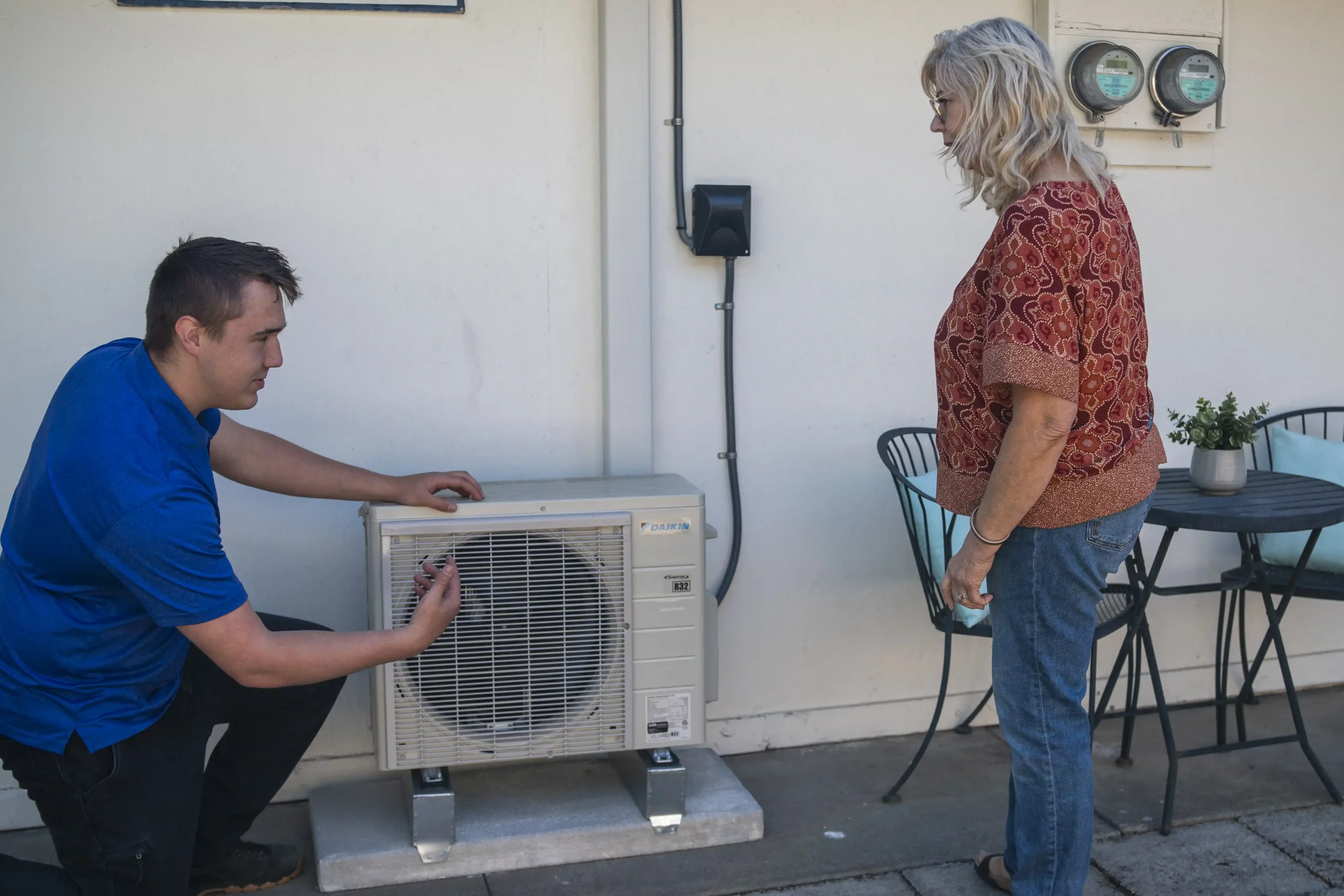
In Eugene’s moderate climate, heat pumps often work through much of the year because the same system provides both heating and cooling. That year-round operation means homeowners may encounter problems such as weak airflow, short cycling, unusual noises, icing, or a system that won’t heat or cool properly. Some heat pump problems have simple causes you can safely check yourself, while others require professional diagnosis.
If your system isn’t maintaining a comfortable temperature or the problem keeps returning, schedule heat pump repair in Eugene with Priority One Heating & Air Conditioning for professional diagnosis and the appropriate next step.
In Eugene’s moderate climate, heat pumps tend to be an efficient option for maintaining winter and summer comfort. However, there are a few heat pump problems that homeowners should watch out for. From weak airflow and short cycling to icing, it’s important to understand why these issues happen in order to fix them. While some problems can be resolved with basic troubleshooting, others will require a professional diagnosis from Priority One Heating & Air Conditioning.
Why Heat Pump Problems Can Be Different From Furnace or AC Problems
A heat pump is different from a conventional furnace or AC because of how it is designed. It uses refrigerant lines to absorb and transfer heat like an AC, but it can reverse direction. This allows it to heat and cool the home. Depending on the design, it may also have auxiliary or backup heat installed.
Heat Pump Is Not Heating the House
Several issues can prevent a heat pump from heating a home properly, including:
- Dirty air filters
- Thermostat settings
- Control malfunctions
- Airflow restrictions
- Defrost problems
- Low refrigerant levels or leaks
- Electrical failure
- Faulty components
- Issues with backup or auxiliary heat
Even when the heat pump is operating normally, the air coming from the vents will likely feel cooler than the air that comes from the furnace. This is normal. The important thing is whether the home is reaching and maintaining your thermostat setting. If it isn’t, you may need to reach out for heat pump repairs.
Heat Pump Is Blowing Cold Air in Heating Mode
If your heat pump is blowing cold air in heating mode, it may be due to a thermostat, control, reversing valve, or refrigerant issue. This can also occur if there is a problem with your outdoor unit. If the heat pump’s defrost mode is running or it is set to “cool” mode, you may notice cool air coming from your vents.
It’s important to note that air from the heat pump likely will not feel as hot as air coming from a gas furnace. The real issue is whether your home can maintain its temperature. If not, a professional diagnosis is necessary.
Heat Pump Is Not Cooling
A heat pump not cooling can occur because of dirty coils or filters. It may also be related to refrigerant, thermostat, compressor, reversing valve, or electrical issues. Because so many causes can contribute to this symptom, your system needs to be inspected by an experienced heating, ventilation, and air conditioning (HVAC) technician. If basic checks don’t resolve the problem, professional heat pump repair can identify whether the issue involves airflow, refrigerant, controls, or another system component.
Heat Pump Runs Constantly
A heat pump running constantly may occur during periods of extreme cold or heat because the unit has to work harder. Heat pumps are also designed to maintain steady indoor temperatures by running longer. Unusually long runtimes may be due to issues with your thermostat, sizing, ductwork, insulation, airflow, refrigerant, or filter. Capacity loss can also contribute to this problem.
Heat Pump Keeps Turning On and Off
Heat pump short cycling is often related to low refrigerant, dirty air filters, restricted airflow, electrical problems, and thermostat issues. It can occur if the equipment is oversized and reaches the appropriate temperature too quickly. The unit’s safety controls can also cause frequent shutdowns. Repeated short cycles are an issue because they affect comfort, component wear, temperature control, and energy efficiency.
Heat Pump Is Freezing Up
To decide if a heat pump freezing up is a problem, it helps to know when this situation is normal and when it is a cause for concern.
Some Frost Can Be Normal
During damp winter weather, the outdoor coil can develop frost. This should be automatically melted off through the heat pump’s defrost cycle.
Heavy or Persistent Ice Is Not Normal
Heavy or persistent ice can indicate a problem. During cooling operation, ice on the indoor coil may develop because of restricted airflow or a refrigerant-related issue. During heating operation, persistent ice on the outdoor unit may be associated with a defrost-control problem, outdoor fan issue, sensor fault, or refrigerant problem. If ice continues building up or returns after the system defrosts, professional diagnosis is recommended.
Why Is My Heat Pump Going Into Defrost Mode?
Defrost mode is normal in winter. It temporarily reverses the refrigeration cycle, warming the outdoor coil and melting frost. You only need to be concerned if the outdoor unit remains heavily iced, the system doesn’t start heating again after defrost, the defrost cycle occurs unusually often, or your overall performance drops.
Heat Pump Is Making Strange Noises
Each of the following noises indicates different types of heat pump problems. Always seek a professional diagnosis when a new, unusual sound occurs.
Rattling
This often indicates loose panels, debris, or mechanical vibration.
Buzzing or Humming
Buzzing may be due to the electrical components, although light humming often occurs during normal operations.
Grinding or Screeching
These noises likely indicate a mechanical issue, such as a motor or bearing problem.
Clicking
While clicking during startup and shutdown is normal, repeated or unusual clicking means there may be a control or electrical malfunction.
Gurgling or Hissing
Hissing or gurgling may be associated with refrigerant movement or other system conditions. A sound alone isn’t enough to diagnose a refrigerant leak or failed component, so new or persistent noises should be professionally inspected.
Heat Pump Is Leaking Water
When a heat pump leaks water, it may be related to the condensate drainage system, a blocked drain, a faulty drain pan, or the thawing of a frozen indoor coil. In the winter, some moisture is normal near the outdoor unit because of how the defrost mode works. Indoor leakage is never normal.
Heat Pump Won’t Turn On
If your heat pump is not turning on, you can troubleshoot with the following steps.
- Confirm the thermostat is set to the correct mode and temperature.
- Check whether the thermostat display is working.
- Inspect the HVAC filter and replace it if it is dirty.
- Check for an obvious power interruption using normal household controls.
- Look for visible ice or water around the equipment.
This problem may occur if there is a tripped safety control, a faulty thermostat, a capacitor or contactor issue, a control board problem, a faulty motor, or a compressor malfunction.
Outdoor Heat Pump Unit Is Not Running
If the indoor fan is running and the outdoor unit is not, it may be due to a safety control, electrical malfunction, contactor issue, faulty compressor, broken fan motor, or capacitor problem. A thermostat issue or problem with the defrost mode can also cause this symptom. If your basic thermostat settings are correct, it’s a good idea to reach out for professional heat pump repairs in Eugene, OR.
Heat Pump Is Not Keeping Up During Cold Weather
Heat pump performance can change as outdoor temperatures fall, so longer operation during colder Eugene weather doesn’t automatically mean the system is malfunctioning. The bigger concern is when the heat pump can no longer maintain the thermostat setting, comfort noticeably declines, or its performance changes significantly from normal.
- Poor home insulation
- Airflow issues
- Auxiliary heat problems
- Refrigerant leaks
- Defrost malfunctions
- Incorrect equipment sizing
Heat Pump Is Not Keeping Up During Hot Weather
Longer cooling cycles during warmer weather aren’t necessarily a problem. However, if the heat pump runs continuously without bringing the home closer to the thermostat setting, the system may have an airflow, refrigerant, equipment, ductwork, or building-envelope issue that needs further evaluation.
- Clogged filter
- High cooling demand
- Dirty coils
- Leaky or damaged ductwork
- Insulation issues
- Airflow restrictions
- Incorrect equipment sizing
- Refrigerant leaks
Heat Pump Has Weak Airflow
Your heat pump may have poor airflow if the blower or ductwork is damaged. Clogged air filters, clogged indoor coils, control problems, incorrect fan speeds, and blocked vents can also contribute to this issue. To ensure a comfortable home throughout the year, we recommend scheduling spring and fall tune-ups through the Savings Club maintenance program.
Heat Pump Is Using Auxiliary Heat More Often
A heat pump uses auxiliary or backup heat when the heat pump isn’t delivering enough heat, the thermostat setting has changed substantially, or outdoor temperatures are especially low. While this can occur because of an equipment or control problem, it is also likely to occur due to changes in your indoor temperature settings or outdoor temperatures.
Heat Pump Suddenly Causes Higher Energy Bills
Although a malfunctioning heat pump, dirty air filter, or poor HVAC performance can cause higher energy costs, this problem can also be due to thermostat settings, utility rates, weather changes, auxiliary heat use, or building-envelope problems. If your electricity bill jumps unexpectedly and HVAC performance declines, an HVAC inspection is in order.
What Heat Pump Problems Can Eugene Homeowners Check Themselves?
Homeowners can perform the following troubleshooting steps safely.
- Inspect and replace the HVAC filter.
- Look for obvious outdoor debris.
- Verify that supply and return vents are open.
- Note any water around your indoor equipment.
- Listen for unusual sounds.
- Determine whether the problem occurs in heating mode, cooling mode, or both.
- Note whether there is visible ice on the indoor or outdoor equipment.
Safety Note: For the safety of yourself and your HVAC system, you should never handle refrigerant, electrical components, or compressor issues on your own. Do not bypass safety controls or open any electrical components. Additionally, never disassemble the outdoor unit.
When Should I Call for Heat Pump Repair?
If you’re experiencing poor airflow, short cycling, an iced-up outdoor unit, unusual HVAC noises, water leaking around the indoor unit, increased auxiliary heat use, declining performance, or a unit that won’t run, reach out to Priority One for professional diagnostics.
How Does a Technician Diagnose Heat Pump Problems?
During our professional evaluation, we’ll inspect your thermostat, air filter, blower operation, coils, reversing valve, and defrost controls. We’ll evaluate airflow, refrigerant-system performance, electrical components, controls, and overall heating and cooling operation to narrow down the cause of the problem. Many heat pump problems can have overlapping symptoms, so it’s essential to perform a professional diagnosis before we determine which repairs are necessary.
Can Maintenance Help Prevent Heat Pump Problems?
Routine maintenance can’t prevent every heat pump failure, but it can help identify developing problems before they cause larger comfort or performance issues. Scheduling professional heat pump maintenance can help identify developing problems before they lead to larger comfort or performance issues. During a tune-up, a technician can inspect:
- Filters and airflow
- Coil condition
- Condensate drainage
- Refrigerant system performance
- Defrost operation
- Thermostat and control function
- Overall performance
When Is a Heat Pump Problem a Sign It May Need Replacement?
If repairs are becoming frequent or performance continues to decline, heat pump replacement in Eugene may be worth discussing with an HVAC professional. A single issue can often be repaired, especially if the unit is appropriately sized, relatively new, and has experienced few problems before. An older unit that requires major repairs, experiences poor performance, or has multiple components deteriorating may need to be replaced.
Common Heat Pump Problems in Eugene? Priority One Can Diagnose the Cause
If your heat pump isn’t heating, cooling, or operating the way it normally does, Priority One Heating & Air Conditioning can diagnose the cause and recommend the appropriate next step. Our team services heat pumps throughout Eugene and can help determine whether the problem calls for repair, maintenance, or a replacement evaluation.
If your system isn’t heating, cooling, or operating normally, schedule heat pump repair in Eugene with Priority One Heating & Air Conditioning.
FAQs
To help you address common heat pump problems, we’ve compiled a list of some of the most frequently asked questions and answers.
Why is my heat pump running but not heating?
A heat pump may run without heating properly due to a dirty filter, incorrect thermostat setting, airflow restriction, defrost issue, or a refrigerant, control, or reversing-valve problem. Brief periods of cooler air during a defrost cycle can be normal.
Why does my heat pump blow cold air sometimes?
Brief periods of cool air can be normal during a defrost cycle. If cool air persists and your home can’t maintain the set temperature, the cause may be a dirty filter, incorrect thermostat setting, airflow restriction, refrigerant issue, or another system problem.
Is it normal for a heat pump to run all the time?
During periods of extremely hot or cold weather, the heat pump may need to run longer to keep up. Modern, variable-speed units will also run for longer periods at a lower setting. However, if the unit is suddenly running longer and outdoor temperatures haven’t changed, you may be dealing with a refrigerant, filter, thermostat, or sizing issue.
Why is there ice on my heat pump?
It depends on the location and time of year. In winter, moisture in the air can accumulate on the outdoor coils and freeze. Your heat pump should be able to reverse direction in defrost mode and thaw the ice. The ice is normal if it is a thin layer of frost. Heavy or persistent icing can indicate a malfunction and may eventually lead to system or compressor damage. During the summer, you may notice ice on the evaporator coil. A heat pump freezing up typically happens if there is an airflow or refrigerant issue that should be addressed by a professional.
Why does my heat pump keep turning on and off?
Heat pump short cycling can be caused by a dirty filter, restricted airflow, thermostat or electrical issues, low refrigerant, oversized equipment, or safety-control activation. If basic troubleshooting doesn’t resolve the problem, schedule professional repairs.
Why is my heat pump making a loud noise?
Loud, new, or persistent noises can indicate mechanical, electrical, airflow, or refrigerant-system problems. For example, screeching may be associated with a motor or bearing issue, while hissing can occur under several refrigerant-system conditions. The sound alone usually isn’t enough to identify the failed component.
Why is my heat pump leaking water?
If your heat pump is leaking water, it is likely due to frozen coils or a drain pan issue. For example, a frozen coil can cause the drain pan to overflow as it thaws. Similarly, a clog in the drain line can also cause the drain pan to overflow. No matter what the cause is, you should shut off your unit to prevent water damage. Then, call for repairs.
When should I replace my heat pump instead of repairing it?
Replacement becomes worth considering when the system is older, repairs are becoming frequent, a major component has failed, comfort or efficiency continues declining, or reliability has become an ongoing concern. One repairable problem alone doesn’t necessarily mean the heat pump needs replacement.
Service Request
Contact
"*" indicates required fields