AC Compressor Troubleshooting Guide: Signs, Causes, and Fixes
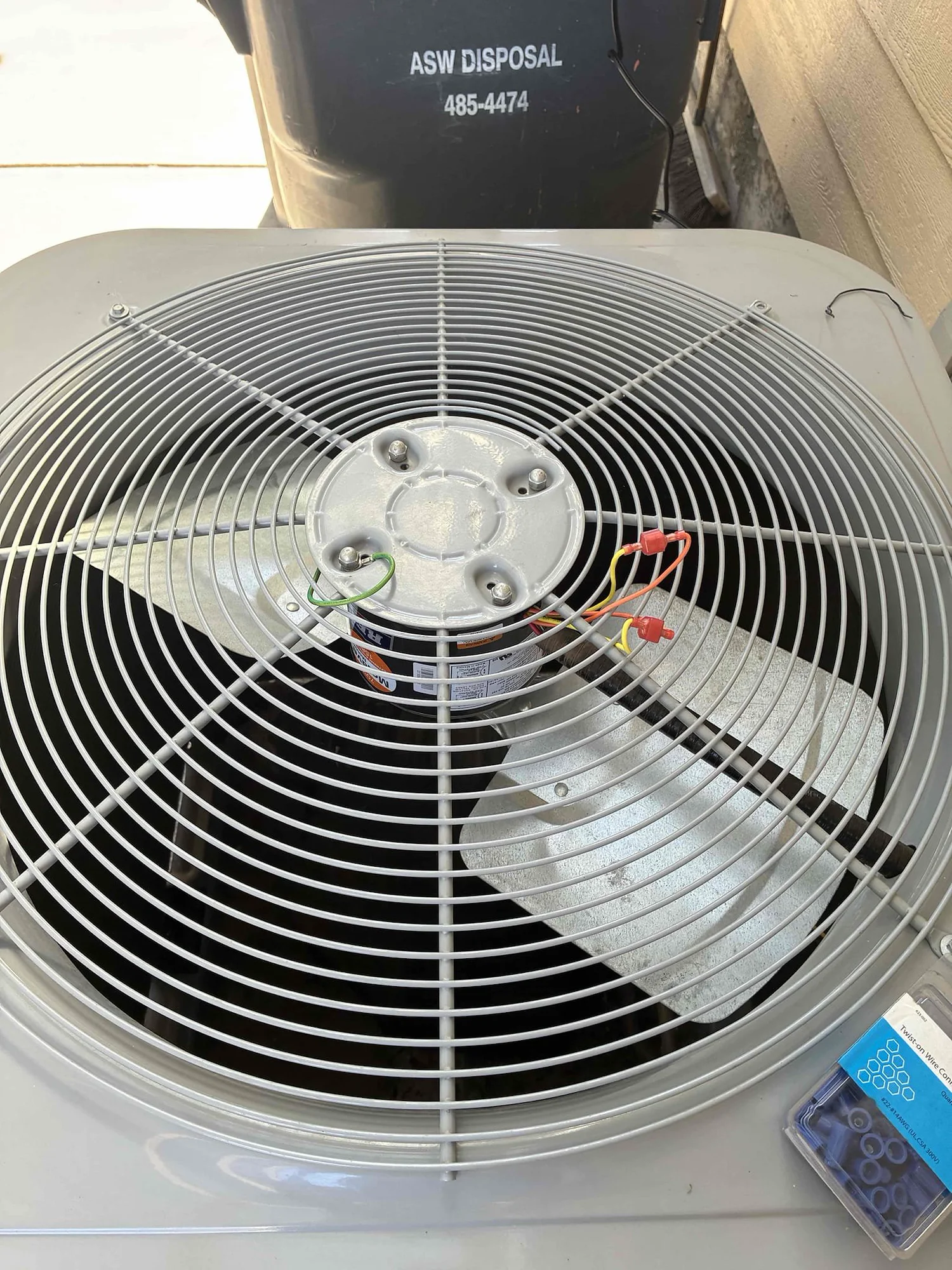
When an AC or heat pump stops cooling properly, the compressor may be one possible cause. Compressor-related problems can lead to poor cooling, startup issues, repeated shutdowns, unusual noises, or tripped breakers, but similar symptoms can also come from the air handler, electrical components, airflow restrictions, or refrigerant-side problems.
Understanding the difference between compressor troubleshooting and AHU troubleshooting can help narrow down the source of the problem without assuming the compressor itself has failed. If basic thermostat, airflow, and filter checks do not resolve the issue, Priority One Heating & Air Conditioning can inspect the system and determine whether the problem is related to the compressor, air handler, controls, electrical components, or another part of the cooling system.
What Does an HVAC Compressor Do?
Before diving into compressor and AHU troubleshooting, it’s important to understand that these are different parts of an HVAC system. In most residential split AC and heat pump systems, the compressor is located in the outdoor unit and circulates refrigerant through the refrigeration cycle. The air handling unit is typically located indoors and contains airflow-related components such as the blower and, depending on the system configuration, the evaporator coil and other controls.
AHU Troubleshooting vs. Compressor Troubleshooting: What’s the Difference?
AHU troubleshooting focuses on key air-handler components and your indoor airflow. When we perform AC compressor troubleshooting, the focus is on the refrigeration and compression side of the system. While they might be in entirely different areas, the AHU and compressor can have overlapping symptoms. For example, weak cooling performance can be due to an AHU-related airflow issue or a problem with your outdoor equipment.
What Are the Signs of a Compressor Problem?
Your compressor is like the heart of your home’s HVAC system. If you’re experiencing AC compressor problems, you may notice the following issues. Compressor-related symptoms can often mimic other problems, so it’s important to schedule a professional inspection if you think that your compressor is failing.
AC Is Running but Not Cooling Properly
The compressor is responsible for pumping refrigerant. If it fails, your system will struggle to remove heat from your home. Alternatively, this problem can occur due to low refrigerant levels, a failed capacitor, or a clogged air filter.
Compressor Won’t Turn On
If the outdoor unit receives a cooling call but the compressor does not start, the problem may involve the compressor, capacitor, contactor, controls, power supply, or another safety condition. A clogged condensate drain may also activate a float switch that interrupts the cooling call, depending on the system configuration.
Outdoor Unit Hums but Doesn’t Start
A humming noise can occur when the compressor or another outdoor-unit motor is receiving power but cannot develop enough torque to start. Possible causes include a failed capacitor, a seized fan motor, voltage problems, or compressor problems.
Compressor Starts and Stops Frequently
When a compressor starts and stops more frequently than normal, the system may be short cycling. Short cycling can result from thermostat issues, airflow restrictions, refrigerant problems, overheating, electrical or control faults, an oversized system, or certain compressor-related problems. Because several HVAC issues can cause the same cycling behavior, repeated short cycling should be professionally diagnosed rather than assumed to be a failing compressor.
Circuit Breaker Keeps Tripping
If the compressor keeps tripping the breaker, the compressor may be pulling too many amps. Repeated breaker trips can be caused by compressor electrical problems, starting-component failure, wiring faults, fan motor issues, or other high-current conditions in the outdoor unit.
Outdoor Unit Makes Unusual Noises
An AC compressor making noise may be due to mechanical parts wearing out. If any of the components are loose, they may also cause rattling noises.
Compressor or Outdoor Unit Is Overheating
Finally, an AC compressor overheating can occur if the compressor is strained or operating under extreme workloads. This can also occur due to poor airflow, electrical issues, or a dirty or restricted outdoor coil.
Compressor Troubleshooting Guide
For a quick breakdown of compressor symptoms, possible causes, and what to do, check out the AC compressor troubleshooting guide below.
Symptom | Possible Causes | Safe Homeowner Check | When To Call an HVAC Technician |
Compressor Won’t Start | Failed capacitor, no power, thermostat malfunctions, contactor issue, or faulty compressor | Verify that your thermostat is set to the correct mode and the breaker hasn’t been tripped. | If your power and thermostat settings are fine, but the compressor still won’t start |
Humming Noise but Not Starting | Failed capacitor, low voltage, electrical issues, or a seized compressor | Turn the system off and visually check whether leaves, grass, or other debris are blocking airflow around the outdoor unit. | If the unit keeps humming without starting |
Poor or No Cooling Performance | Dirty air filter, compressor problem, refrigerant issue, restricted airflow, or a dirty outdoor coil | Check your thermostat settings. Make sure your vents and registers are open and unobstructed. If needed, replace the filter. | If your airflow is normal, but you’re still receiving warm air from your vents |
Short Cycling | Thermostat malfunction, dirty filter, refrigerant issue, compressor problem, electrical issue, or repeated shutdowns due to overheating | Check your filter and thermostat settings. See if your vents and registers are open and unblocked. | If the system keeps short cycling after you perform basic troubleshooting |
Tripped Breakers | Faulty compressor, motor problem, or electrical malfunction | Check whether the HVAC breaker is visibly tripped. If you reset it once and it trips again, leave the system off and call an HVAC technician. | If the breaker trips after you reset it once, call a technician and do not reset it again |
Unusual Noises | Loose components, compressor damage, refrigerant leak, or fan malfunction | Turn the system off and note where the noise is coming from. Without opening equipment panels, look for obvious debris around the outdoor unit. | If you notice grinding, banging, rattling, or unusually loud noises |
Outdoor Unit Overheating | Reduced airflow, faulty fan, dirty coil, electrical issue, or compressor problem | After turning the system off, remove any visible leaves, grass, or debris from around the outdoor unit. | If your unit keeps shutting down from overheating or your outdoor fan won’t work |
Indoor Blower Runs but Outdoor Unit Doesn’t | Tripped breaker, thermostat or control problem, contactor malfunction, failed capacitor, or outdoor fan issue | Verify your thermostat settings. See if the HVAC breakers have tripped. Note whether there are obvious blockages around the outdoor unit. | If the outdoor unit stays off, but the blower keeps running. |
Important Safety Note: Never perform any troubleshooting that involves live electrical testing, refrigerant handling, capacitor testing, or opening electrical compartments on your own.
Why Is My AC Compressor Not Working?
If your AC compressor is not working, there are a few potential reasons why.
Thermostat or Control Problem
When your system has incorrect thermostat settings, control faults, or communication issues, the compressor may not receive a proper cooling call.
Electrical or Power Supply Problem
Tripped breakers, wiring faults, disconnect malfunctions, and electrical-related issues can all stop the AC compressor from turning on.
Failed Capacitor or Contactor
Capacitors help certain HVAC motors start and run by providing the electrical support those motors require. Meanwhile, the contactor is like a switch that controls the flow of electricity to the unit. If either of these components fails, the compressor or outdoor fan may fail to start or run properly.
Restricted Airflow
This is where AHU troubleshooting becomes relevant, because dirty filters, blower problems, blocked airflow, and indoor coil conditions can reduce heat transfer even when the compressor itself is still functioning.
Dirty or Restricted Outdoor Coil
When the outdoor coil is dirty or doesn’t have enough airflow, it can increase operating stress and restrict the transfer of heat. In turn, this can result in overheating and safety shutdowns. Routine AC maintenance can address conditions such as dirty coils, restricted filters, and developing electrical issues before they contribute to larger cooling problems.
Refrigerant Problem
Low refrigerant caused by a leak, an incorrect charge, or another refrigerant-side problem can reduce cooling performance and create abnormal system operating conditions. Refrigerant diagnosis requires pressure, temperature, and system-performance measurements and should be handled by an HVAC technician.
Compressor Overheating
Compressor overheating can be associated with restricted heat rejection, a dirty outdoor coil, fan problems, electrical faults, refrigerant issues, prolonged operation under abnormal conditions, or internal compressor damage.
Internal Compressor Failure
If testing confirms an internal compressor failure, the technician will evaluate whether compressor replacement or full system replacement makes more sense based on equipment age, warranty coverage, refrigerant compatibility, overall system condition, and repair history.
Why Is My AC Compressor Humming but Not Starting?
An AC compressor that produces a humming noise and fails to start may be experiencing startup-component problems, electrical issues, contactor malfunctions, control issues, low or incorrect voltage, or mechanical problems with the compressor. If you notice this symptom, avoid repeatedly cycling the thermostat or resetting electrical protection in an attempt to force the compressor to start. Repeated failed starts can increase electrical and mechanical stress.
Why Does My AC Compressor Keep Tripping the Breaker?
An AC compressor can keep tripping the breaker if there is an electrical fault, wiring issue, starting-component failure, internal compressor problem, or outdoor equipment problem. If the compressor draws excessive current, this can also trip the breaker. A breaker that trips again after being reset once should not be repeatedly reset. Instead, homeowners should schedule professional HVAC troubleshooting in Eugene, OR.
What Can You Safely Check Yourself?
As a homeowner, you can safely check the following components yourself.
- Verify the thermostat mode and setting are correct. See if the thermostat has power.
- Check the air filter. Replace as needed.
- Open supply and return vents. Remove any obstructions.
- See if the indoor blower and outdoor unit are functioning.
- Check for a tripped breaker and reset it no more than once.
- Note any visible debris restricting airflow around the outdoor unit.
- Pay attention to any unusual noises, smells, or cycling behavior. This information can help your HVAC technician make a faster diagnosis.
What Compressor Troubleshooting Should Be Left to an HVAC Technician?
The following diagnostic tasks should always be left to the professionals.
- Capacitor and contactor testing
- Refrigerant leak detection
- Compressor winding and electrical testing
- Voltage and current measurements
- Compressor mechanical diagnostics
- System performance measurements
- Refrigerant pressure and temperature testing
- Internal electrical inspection
Is the Problem the Compressor or the Air Handler?
AHU and compressor problems can sometimes cause similar symptoms, so it helps to understand which kind of symptom is more likely to occur with each type of equipment.
Symptom | AC Compressor-Related Symptom? | AHU-Related Symptom? |
Weak or No Airflow | Sometimes | Yes |
Indoor Blower Not Running | No | Yes |
Unusual Indoor-Unit Noise | Unlikely | Yes |
Airflow Restrictions | Sometimes or indirectly | Yes |
Indoor Coil-Related Problems | Sometimes or indirectly | Yes |
Outdoor Unit Not Starting | Yes | Unlikely |
Outdoor Unit Humming | Yes | Unlikely |
Breaker Trips When Cooling Starts | Yes | Unlikely |
Cooling Failure Despite Indoor Airflow | Yes | Sometimes |
These patterns can help narrow the diagnosis, but symptoms alone cannot confirm which component has failed.
Should You Repair or Replace a Bad AC Compressor?
Some problems that appear to be compressor failure may actually involve a capacitor, contactor, wiring, controls, refrigerant conditions, or another system component. In these cases, the underlying problem may be repaired without replacing the compressor. If testing confirms an internal mechanical or electrical compressor failure, the compressor itself typically needs to be replaced.
Our team can help determine whether compressor replacement or full system replacement makes more sense based on the equipment’s age, warranty coverage, repair history, refrigerant and system compatibility, efficiency, overall condition, and repair scope. If replacing the compressor is not practical based on these factors, AC replacement in Eugene may be worth considering.
For example, an older system with declining performance, frequent repairs, and other worn components may be a stronger candidate for system replacement after a major compressor failure. A newer system with warranty coverage, otherwise healthy components, and a limited repair history may be a better candidate for compressor replacement.
Compressor Problems in Eugene Homes
Compressor Problems in Eugene Homes
During warmer periods in Eugene, cooling systems may run for longer cycles, especially in homes with airflow restrictions, deferred maintenance, older equipment, or high indoor cooling loads. These conditions do not necessarily cause compressor failure, but they can increase operating stress or expose existing system problems.
If your system is struggling to cool, repeatedly shutting down, or showing other signs of trouble, Priority One provides HVAC services in Eugene for compressor, electrical, refrigerant, airflow, and control-related problems.
When Should You Call an HVAC Professional?
We recommend scheduling a professional inspection in the following situations.
- Your compressor won’t start.
- The cooling performance has declined.
- Your outdoor unit repeatedly shuts down.
- The breaker keeps tripping.
- You notice a burning or electrical odor.
- There’s a humming noise that continues after startup.
- You notice a loud or unusual noise.
- Your outdoor equipment keeps overheating.
- Basic troubleshooting hasn’t fixed the issue.
Unsure whether you need compressor or AHU troubleshooting? Priority One provides HVAC troubleshooting and repair in Eugene, Springfield, and surrounding areas. If basic troubleshooting doesn’t resolve the problem, schedule HVAC repair with Priority One.
FAQs About Compressor Troubleshooting
How do I know if my AC compressor is bad?
Possible signs include the outdoor unit failing to start, repeated humming without startup, abnormal outdoor-unit noise, repeated breaker trips, or cooling failure despite normal indoor airflow. These symptoms do not confirm compressor failure on their own, so professional testing is required.
Why is my AC running but the compressor isn’t?
This can occur if a bad capacitor or contactor is preventing it from starting. Additionally, an activated thermal overload protection can cause the compressor to shut down.
Why does my compressor hum but not start?
You may notice this symptom if there is a weak capacitor, an internal compressor problem, or inadequate power.
Can a dirty air filter cause compressor problems?
Yes. Dirty filters reduce airflow, potentially causing the evaporator coil to freeze and creating operating conditions that can strain or damage the compressor.
Why does my AC compressor keep tripping the breaker?
It can keep tripping the breaker if there is overheating, bad wiring, or an electrical short. Our team can inspect your windings, wiring, and capacitor to detect any electrical problems. We can also check for airflow and refrigerant problems to troubleshoot overheating.
Can an air handler problem look like a compressor problem?
Yes. Many bad AC compressor symptoms can overlap with faulty AHU symptoms, which is why it’s so important to schedule professional repairs.
Can an AC compressor be repaired, or does it need replacement?
Some problems that appear to be compressor failure are actually caused by capacitors, contactors, controls, refrigerant conditions, or electrical issues and can be repaired without replacing the compressor. If testing confirms an internal compressor failure, compressor replacement or full system replacement may be required.
Should I turn off my AC if I suspect a compressor problem?
Yes. You should turn off the AC at the thermostat to prevent additional damage to your compressor.
Service Request
Contact
"*" indicates required fields