Why Did Some Power Circuits Not Working? First Things to Check
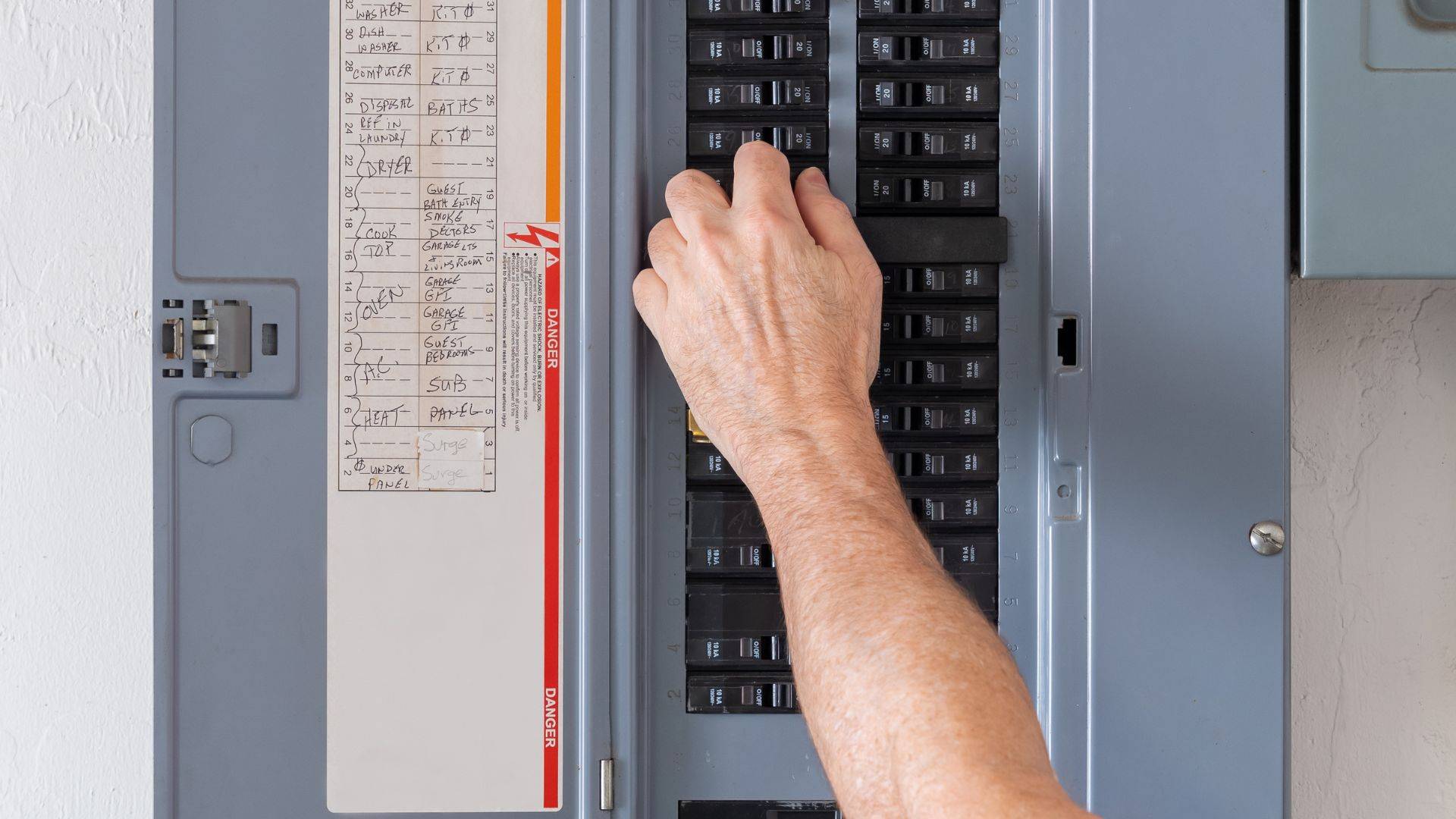
If you notice power circuits not working in part of your home, outlets, light switches, and appliances in that area may stop working. While homeowners often assume that the circuit is at fault, a faulty permanent split capacitor (PSC), broken appliance, damaged ground-fault circuit interrupter (GFCI) outlet, faulty receptacle, or loose wiring could be responsible. By reaching out to Priority One Heating & Air Conditioning, you can get professional help diagnosing and repairing the electrical problem.
Why Would Only Part of Your House Lose Power?
There are several reasons why part of your home may lose power. If only one room or group of outlets is affected, the problem may involve a tripped breaker or GFCI, faulty receptacle, connected device, or wiring issue. If a larger portion of the home suddenly loses power, especially if 240-volt appliances also stop working, the issue may involve the main electrical service or utility supply. While homeowners can perform basic checks, more serious electrical problems require professional diagnosis.
Before You Troubleshoot: Electrical Safety First
Before attempting any electrical or PSC troubleshooting, there are a few essential safety tips and precautions to remember. Never handle or repair any electrical wiring, circuits, or systems yourself. Faulty electrical systems can cause electric shocks and fires, so they should be left to the professionals.
Additionally, stop using the affected electrical equipment or circuit if you notice burning odors, scorch marks, or other signs of overheating. These problems are an immediate sign you should schedule electrical repairs. Finally, don’t continue to reset a tripped breaker if it trips again. Repeated tripping means that there is an underlying electrical issue that needs to be diagnosed and fixed.
First Things To Check When a Power Circuit Stops Working
If a circuit stops working, there are a few electrical circuit troubleshooting steps you can perform on your own.
1. Determine What Lost Power
First, you need to figure out if you have multiple outlets not working, a single circuit, or a whole-house power outage. Try using outlets and light switches in different parts of your home to identify the scope of the issue.
2. Check the Circuit Breaker
The next step in the electrical and PSC troubleshooting checklist is to check the circuit breaker. Note which breakers are tripped in the panel. If you have outlets not working but the breaker is not tripped, move on to the next step. A tripped breaker may not always appear fully switched off, its handle may sit between the ON and OFF positions. Don’t remove the panel cover or access any wiring while checking the breakers.
3. Look for a Tripped GFCI Outlet
A single GFCI can protect other outlets downstream, so the tripped GFCI may not be located next to the outlet that lost power. Check accessible GFCI receptacles in areas such as kitchens, bathrooms, garages, laundry areas, basements, and outdoor locations. If a GFCI won’t reset or trips again, leave it alone and have the circuit professionally inspected.
4. Unplug Appliances and Check for an Overload
Too many appliances on one circuit can overload the circuit and cause it to trip. After unplugging appliances on the circuit, you can reset the breaker once and gradually reconnect appliances. If the breaker trips again, leave it off and call an electrician.
5. Check Whether One Outlet or the Whole Circuit Is Dead
It’s also important to figure out if you have no power to an outlet or the entire circuit. Check other outlets and lights known to be on the same circuit to determine whether the problem affects one receptacle or the entire circuit.
6. Rule Out a Faulty Appliance or Device
A faulty appliance can cause a circuit to lose power or trip. Unplug connected devices and reset the breaker or GFCI once. If the problem returns after reconnecting a particular appliance, leave it unplugged and call an electrician if the circuit continues to trip.
Power Circuit Troubleshooting Guide
To make PSC troubleshooting easier, we’ve compiled a list of the most common symptoms, causes, and basic tips. If these safe troubleshooting tips don’t fix the problem, you should call one of our electricians for professional help.
Symptom | Possible Cause | Safe First Check | When To Call an Electrician |
One Outlet Has No Power | Tripped GFCI, loose wiring, or damaged outlet | Unplug devices. Then, see if a GFCI outlet needs to be reset. | Call if resetting the GFCI doesn’t fix the issue. Also, always call if you notice warmth, scorch marks, or burning odors. |
Several Outlets Stopped Working | Circuit-related issues, tripped GFCI, or wiring issues | Check for tripped breakers and tripped GFCIs. | Call if your outlets remain dead after resetting tripped GFCIs or breakers. |
Breaker Keeps Tripping | Overloaded circuit, faulty appliances, wiring issue, or short circuit | While you can try resetting the breaker once, don’t reset it if it keeps tripping. You can also try unplugging everything to see if one appliance is at fault. | Reach out if your breaker keeps tripping and you’ve already tried unplugging appliances to fix an overloaded circuit. |
Breaker Looks Normal, but Outlets Are Dead | Faulty wiring or the breaker may be tripped even if the handle does not appear fully off | Check for tripped GFCIs. | If resetting the GFCI doesn’t work, you’ll need to reach out for professional diagnostics. |
GFCI Won’t Reset | Ongoing ground faults, lack of power, or faulty GFCI | Verify that the rest of your home has power. Unplug everything that is on the circuit and try resetting the GFCI once. | Ongoing ground faults are a major safety risk that should be addressed promptly. Also call if resetting the GFCI doesn’t help. |
One Room Has No Power | Tripped breaker, tripped GFCI, or circuit fault | Figure out if the lights and outlets are both affected. Check for tripped breakers and GFCIs. | Call if your power keeps cutting out and basic troubleshooting doesn’t help. |
HVAC Equipment Has Lost Power | Faulty equipment, a service disconnect issue, electrical malfunctions, or tripped breakers can cause this issue | Check your electrical panel and the rest of your home for a power outage. You can try resetting the breaker and restarting the system once. | Don’t repeatedly reset the breaker or restart an HVAC system that won’t stay on. Always call for help if you suspect a ground fault. |
Why Are My Outlets Not Working if the Breaker Isn’t Tripped?
If your outlets are not working but the breaker isn’t tripped, possible causes include:
- A tripped upstream GFCI outlet
- A failed receptacle
- A loose or damaged electrical connection
- An open neutral or other wiring fault
- A breaker that has tripped without appearing fully OFF
- A loss of power farther upstream
Start by checking accessible GFCI outlets and the breaker position, then determine whether one outlet, several outlets, or nearby lights have lost power. If resetting a GFCI or breaker once doesn’t restore power, stop troubleshooting and call an electrician. Avoid removing outlets or handling exposed wiring.
Why Does My Circuit Breaker Keep Tripping?
Multiple electrical circuit problems can cause your breaker to keep tripping. Overloaded circuits, short circuits, ground faults, faulty appliances or receptacles, and certain wiring faults can cause breakers to trip. A repeatedly tripped breaker means that there is an underlying electrical issue that must be addressed, so don’t continue to reset the breaker.
What if Your Furnace, Heat Pump, or AC Loses Power?
If your furnace, heat pump, or AC loses power, first check whether other outlets, lights, or appliances in your home are also affected. If they are, the problem may be with the electrical circuit or power supply rather than the HVAC equipment itself.
Check the thermostat and electrical panel for an obvious loss of power or a tripped breaker. If a breaker has tripped, reset it only once. If it trips again, or the HVAC system still won’t operate after power is restored, leave the system off and have the problem professionally diagnosed.
If the electrical supply is working but your cooling system still won’t operate, professional AC repair in Eugene can help determine whether the issue is within the HVAC equipment.
Because HVAC systems contain both electrical and mechanical components, Priority One’s electricians and HVAC technicians can determine whether the issue originates with the home’s electrical supply or the equipment itself. If the issue affects your heating system, Priority One also provides furnace repair in Eugene and heat pump service in Eugene
What Can You Safely Check Yourself?
As a homeowner, there are a few issues you can check yourself before you call for electrical repairs in Eugene, OR.
- Inspect the Breaker Panel: Check the breaker panel to see if anything has tripped. You can reset tripped breakers once.
- Reset Tripped GFCIs: See if the GFCI outlet has tripped and needs to be reset.
- Unplug Everything: Unplug every appliance and device. Then, gradually plug them back in to see if an individual appliance or an overloaded circuit is at fault.
- Determine the Scope: Check whether the problem affects one outlet, several outlets, one room, or a larger portion of the home.
- Check for Warning Signs: Look for burning odors, heat, discoloration, buzzing, sparking, or visible damage before resetting anything. If you notice these signs, stop troubleshooting and call an electrician.
When Should You Call an Electrician?
You should call an electrician anytime basic electrical and PSC troubleshooting doesn’t work. Stop using the affected circuit and seek professional help promptly if you notice:
- Burning odors
- Scorch marks
- Crackling or buzzing
- Breakers repeatedly tripping
- Warm or discolored outlets
- Sparking or visible electrical damage
- Water near electrical components
Professional diagnosis is also recommended if an outlet or circuit remains dead after basic checks, a GFCI won’t reset, several outlets repeatedly lose power, one room continues losing power, or you can’t identify the cause of the problem.
Electrical Circuit Problems in Eugene Homes
Priority One provides professional HVAC services in Eugene for homeowners dealing with heating, cooling, and HVAC-related power problems. Eugene homes vary in age, electrical configuration, and past upgrades. In homes that have been renovated or modified over time, a dead circuit may involve more than a simple tripped breaker. Circuit loading, previous electrical work, and the condition of outlets, breakers, and wiring can all affect the diagnosis. By working with an experienced team of electricians and HVAC technicians, you can quickly diagnose the cause of your electrical issues. Book your next electrical inspection today.
FAQs About Power Circuit Problems
Why did half of my house suddenly lose power?
Homes are typically set up with two 120-volt hot legs. If one of these legs fails, roughly half of the home’s 120-volt circuits may lose power, and 240-volt equipment may also stop working. This may occur due to transformer problems, storm damage, or damage to a service conductor or connection, which can result in the loss of one leg. If a large portion of your home suddenly loses power or 240-volt equipment also stops operating normally, contact your utility or a qualified electrician rather than treating it as a routine branch-circuit problem.
Why are my outlets not working but the breaker isn’t tripped?
Often, this can occur if a GFCI outlet has tripped or if the receptacle has failed. Loose or damaged wiring can cause the same problem. Try locating and resetting any GFCI outlets present. Check accessible GFCIs and determine whether nearby outlets or lights are also affected. If basic checks don’t restore power, have the circuit professionally diagnosed.
Can one GFCI cause multiple outlets to stop working?
Absolutely. GFCIs trip as a safety mechanism. When a GFCI trips, it can interrupt power to other receptacles wired downstream from it. You can try resetting the GFCI. If it immediately trips again, unplug connected devices and try resetting it once. You should call an electrician if it still will not reset or trips again because a ground fault, faulty device, wiring problem, or failed GFCI may be present.
Is it safe to reset a tripped circuit breaker?
As long as there are no burning odors, melted components, scorch marks, or other signs of overheating, you can safely reset the breaker once. If the breaker keeps tripping, it means there is an underlying problem. In this instance, leave the breaker off and call for repairs.
Why does my breaker keep tripping?
If your circuit breaker trips, possible causes include an overload, short circuit, ground fault, faulty appliance, wiring problem, or faulty breaker. While the breaker is off, unplug all appliances on the breaker. Then, after resetting the breaker once, gradually plug the appliances back in. This can help you narrow down which appliance may be causing it. If the breaker trips as soon as you turn it on, you should have a professional electrician diagnose the problem.
Why does one room have no power?
When one room has no power, it is often related to loose wiring, a tripped GFCI outlet, or a tripped breaker. While you can check the breaker and reset your outlet yourself, loose wiring should be handled by professionals. Additionally, you should reach out for electrical repairs if the breaker or GFCI outlet keeps tripping.
Can an electrical problem stop my HVAC system from working?
Yes. A tripped breaker, electrical supply problem, disconnect issue, wiring fault, or problem within the HVAC equipment can prevent the system from operating. If the HVAC breaker repeatedly trips or the system doesn’t restart after power is restored, have it professionally diagnosed.
When should I call an electrician for a dead circuit?
If the breaker immediately trips again or simple fixes don’t resolve the problem, you need professional help. Any sparking, scorch marks, burning odors, overheating, water damage, or other safety symptoms are signs that you should immediately shut off the circuit at the breaker and call for help.
Service Request
Contact
"*" indicates required fields